Kayaking is one of the best ways to get outside, get moving, and explore water you’d never see any other way.
But let’s not pretend it’s perfect.
There are a handful of annoyances that can make the paddling experience memorable for the wrong reasons – like carrying a kayak to the water, getting in and out of the kayak, the fear of flipping a kayak, being uncomfortable in the kayak, and paddling in wind. So in this article, I’m going to talk about 5 things in particular that suck about kayaking, and the practical fixes that make them (mostly) disappear. So let's dive in and look at five reasons kayaking sucks, and how to fix them.
1) Carrying Your Kayak
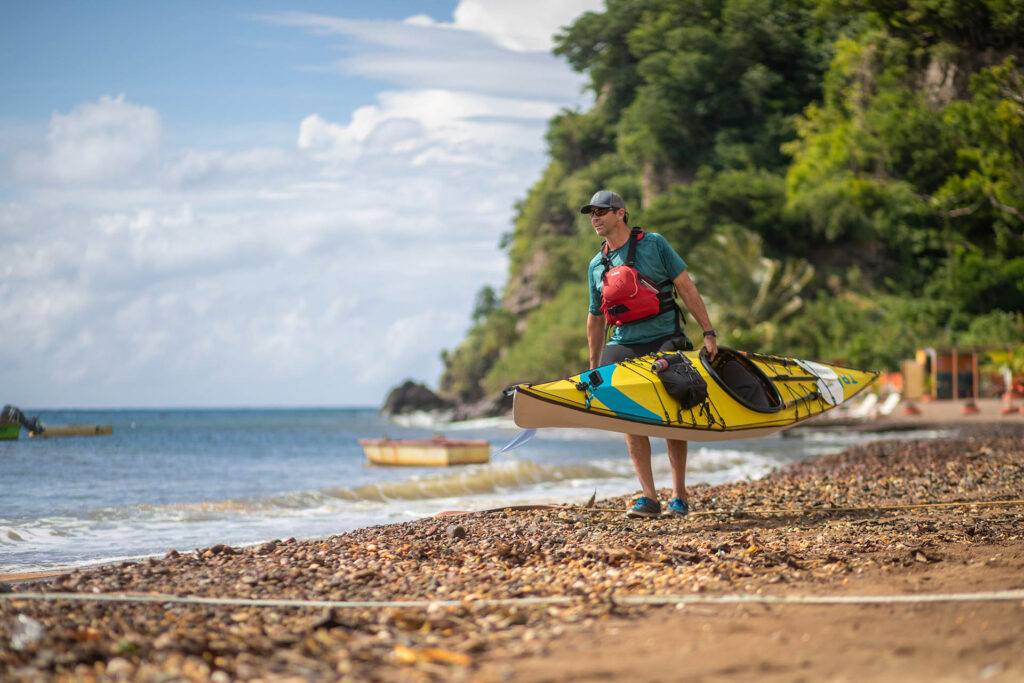
Carrying a kayak sucks because kayaks are long, bulky, and awkward—even when they’re not that heavy.
Even a relatively light boat becomes a pain when it’s 10–20 feet long, catches wind, and wants to bang into everything within a two-metre radius. And if you’re carrying solo, it’s not just annoying—it can be unsafe for your back and for the people around you.
The Fix: Make carrying easier (or stop carrying entirely)
The Best Solution:
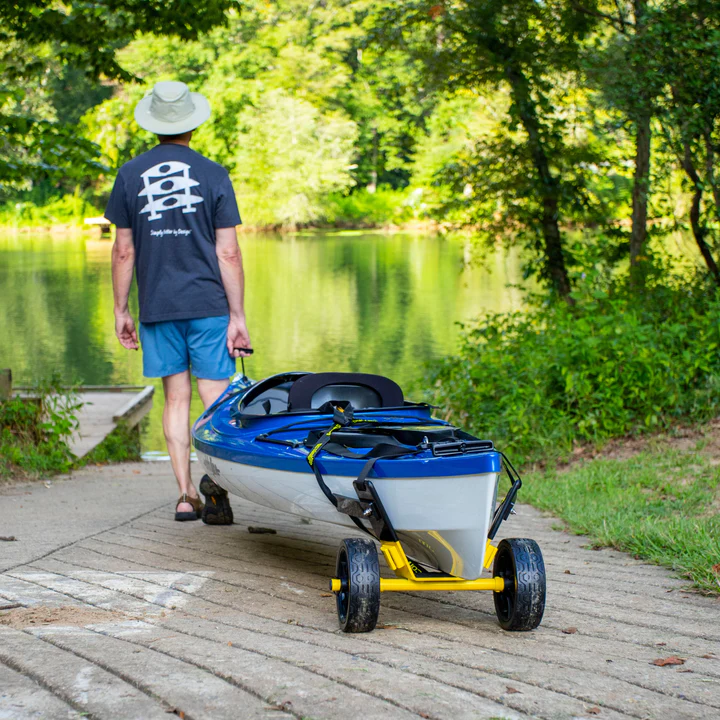
- use a kayak cart. A kayak cart is basically a wheeled cradle that carries all the weight, so you can tow the boat instead of carrying it. They’re easy to assemble and many are designed to break down and store in your kayak while you paddle. Suspenz is the originator of the kayak cart and continues to lead the way with kayak carts that fit any kayak.
Other Solutions:
- Get a lighter kayak (thermoformed or composite). Thermoformed boats are noticeably lighter than rotomolded plastic, and composite can be lighter still (but pricier).
- Understand the length trade-off. In general, longer kayaks tend to be faster and track better, but they can be more awkward to move around on land and heavier. So don’t buy “more kayak” than you actually need.
- Two-person carry whenever possible. The easiest carry is still the classic: one person at each end using the grab handles. It’s stable, controlled, and dramatically less annoying.
- Sit-inside kayaks are much easier to solo-carry than sit-on-tops. A sit-inside cockpit can sit on your shoulder quite naturally, if the boat isn't too heavy. Sit-on-top can't be carried on the shoulder at all.
2) Getting In and Out
Getting in and out sucks because that’s when most “unexpected swims” happen—especially for new paddlers.
The launch and landing are where balance is awkward, the kayak feels tippy, and your brain is busy doing geometry while your feet are on uneven or slippery terrain.
The Fix:
- Consider a sit-on-top (SOT). The open deck makes entry and exit simpler. And if you can get a SOT with an elevated/framed seat, it’s even easier because you’re not dropping as far from standing to sitting.
- Get in butt first, feet second (whenever possible). Don’t try to “step into” a kayak like it’s a bathtub.
- If you can, wade into ankle-deep water and get in there (yes, wet feet are fine).
- Sit-inside: straddle the boat, sit down first, then bring legs in.
- Sit-on-top: sit sideways, then swing legs up onto the deck.
- Avoid dock entries when you can. Docks add height + wobble + weird angles. Shore entries in shallow water are often easier for beginners.
- Get a friend to stabilize you. A buddy can hold your kayak steady from shore—or even stabilize you from their kayak.
3) Fear of Flipping
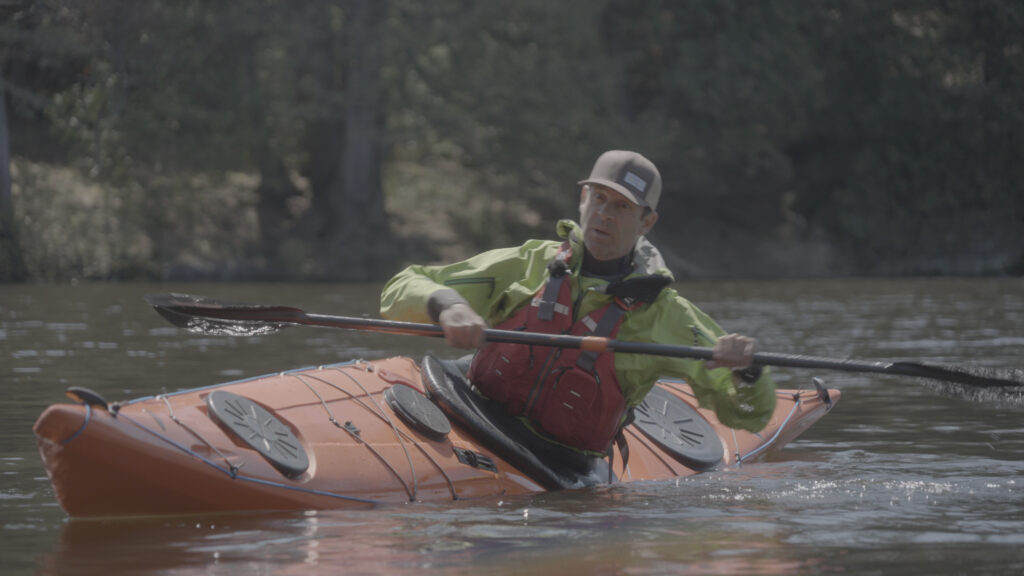
Fear of flipping sucks because it keeps you tense—and tension makes you more likely to capsize.
A little respect for the water is good. But fear tends to come from one thing: not knowing what to do if you flip.
The Fix:
- Choose a kayak with the right stability/performance balance. Some kayaks prioritize stability so strongly they feel “almost impossible to flip” in typical recreational conditions.
- Stay in protected water. If you’re nervous, choose sheltered places—close to shore, away from wind and waves.
- Learn the wet exit. If you're using a sit-inside kayak, practicing the wet exit in a controlled environment with stop your brain from treating the thought of it happening unexpectedly like a monster under the bed.
- Wear a properly fitted PFD. Always. This is non-negotiable. In rougher conditions it becomes even more critical.
- Learn basic bracing. Bracing strokes are your “instant balance tools,” and they’re a huge part of staying upright when conditions get bumpy. It's not a skill that beginner and novice paddlers ‘need' to learn, but it becomes very valuable for experienced paddlers who want to push into more exposed water.
Check out this article to learn more about how to avoid flipping your kayak.
4) Being Uncomfortable
Being uncomfortable sucks because discomfort is the fastest way to end a trip early—and the easiest way to stop kayaking altogether.
Sore back, numb butt, feeling chilled to the bone, tendonitis in the wrist… none of these things need to be “part of the sport”. Most issues of comfort have to do with choosing the right gear.

The Fix:
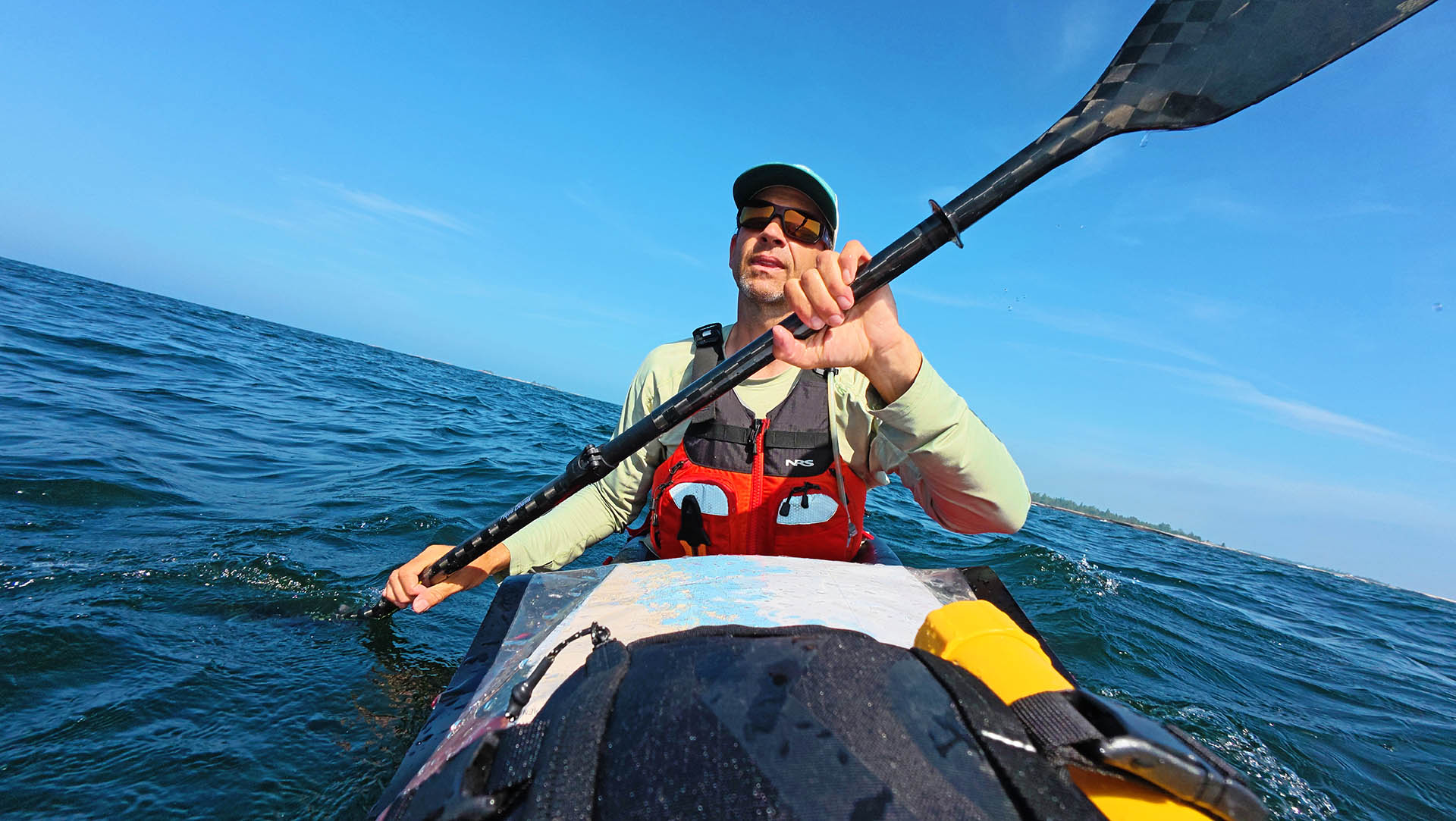
- Get a paddling-specific PFD. These PFD's are designed to give you maximum mobility, so that they're comfortable while you paddle (or swim). And if you have a higher-backed seat, a high-back PFD moves the flotation to a more comfortable spot as well.
- Make sure your kayak has good outfitting:
- Foot pegs/foot braces (not just ‘foot wells')
- Adjustable back support
- A well padded seat
- Relax your grip on the paddle. A death grip gets tiring quick and can lead to overuse issues fast.
- Don’t wear cotton. Cotton clings, feels cold when wet, and stays wet. Instead, wear clothing made from materials that dry quickly and/or provide insulation even when they're wet – like wool, merino wool, fleece, or synthetics like nylon, polyester or polypropelene.
- Stretch. Tight hamstrings and hips make good paddling posture harder to maintain, and you'll be more sore the next day.
5) Paddling in Wind
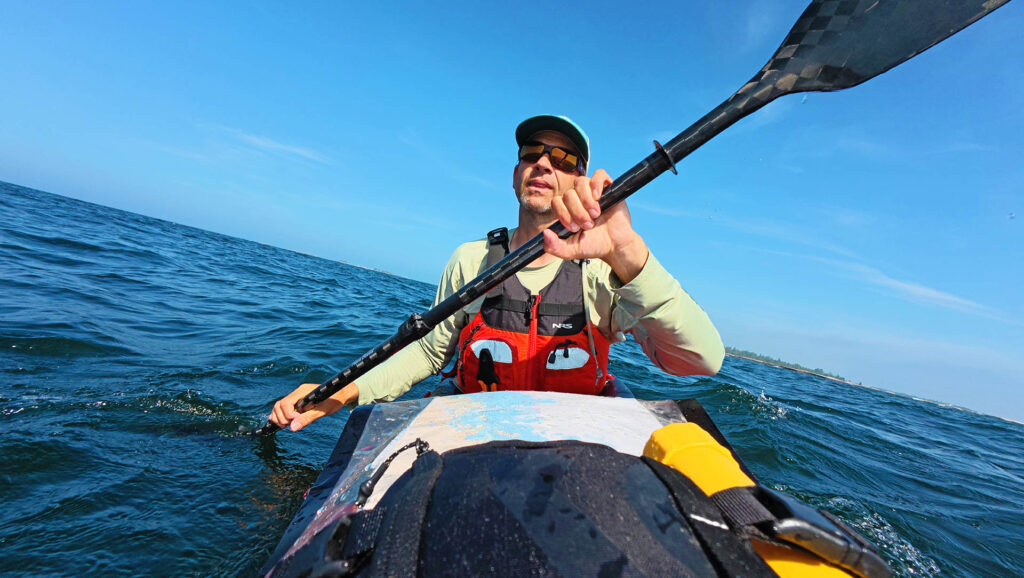
Paddling in wind sucks because it’s exhausting, it pushes you off course, and it can quickly turn the “fun” of paddling into “work.”
Wind is the most challenging element for most paddlers, because it can create waves, it can change quickly, and it makes everything harder.
The Fix:
- Check the forecast before you go. If the wind will be stronger than 15 mph or 20 km/h, it's likely not worth paddling, unless you can stay out of it.
- Pick smaller or more sheltered body of water. If you’re not confident in rough-water skills or self-rescue, stick to water that’s sheltered from wind and waves.
- Consider a rudder or skeg for touring-style paddling. If you're going to paddle in water that is exposed to wind, strongly consider a kayak that has a rudder or a skeg. Rudders and skegs help you go straight and help prevent your kayak from weathercocking, which is your kayak's natural tendency to turn towards the wind. Check out this article to learn more about how to use a skeg properly.
Every sport or activity has things that suck, and kayaking is no different. Fortunately, there are so many incredible reasons to kayak, that it far outweighs the sucky times. That being said, you don't need to simply accept that challenges you sometimes face when kayaking, because every annoying part of kayaking has a solution. Often times, the solution is to buy the right gear in the first place.
About Ken Whiting
Author, Ken Whiting, is the Host of the Facing Waves TV series, @PaddleTV YouTube channel, @KenWhitingAdventures YouTube channel, @GoPaddle Facebook page and @Paddle365 Instagram page. www.kenwhiting.ca
FAQs
Because length makes it awkward. Even “not that heavy” becomes difficult when it's 10–17 feet long and catches wind.
Yes—if you carry your kayak more than a very short distance. Carts reduce strain, make launches easier, and many break down for storage while paddling.
In most beginner situations: float the boat parallel to the shoreline in ankle deep water, and then get into the kayak butt first, feet second. If you need more stability, get your paddling buddy to stabilize the kayak while you're doing it.
Learn the wet exit, wear a properly fitted PFD, and stay in sheltered water at first. Once you've practiced it until you're comfortable with it in a controlled situation, you won't stress about the thought of it happening unexpectedly, because you'll know exactly how it feels and what to do.
Not always—but it's a very good idea, especially if you paddle longer distances in windy areas, a rudder or skeg can make holding course far easier, less tiring, and less frustrating.