The TRAK Kayak might be the most versatile touring kayak in the world and I've been a big fan of it. But that does not mean it’s the right kayak for everyone.
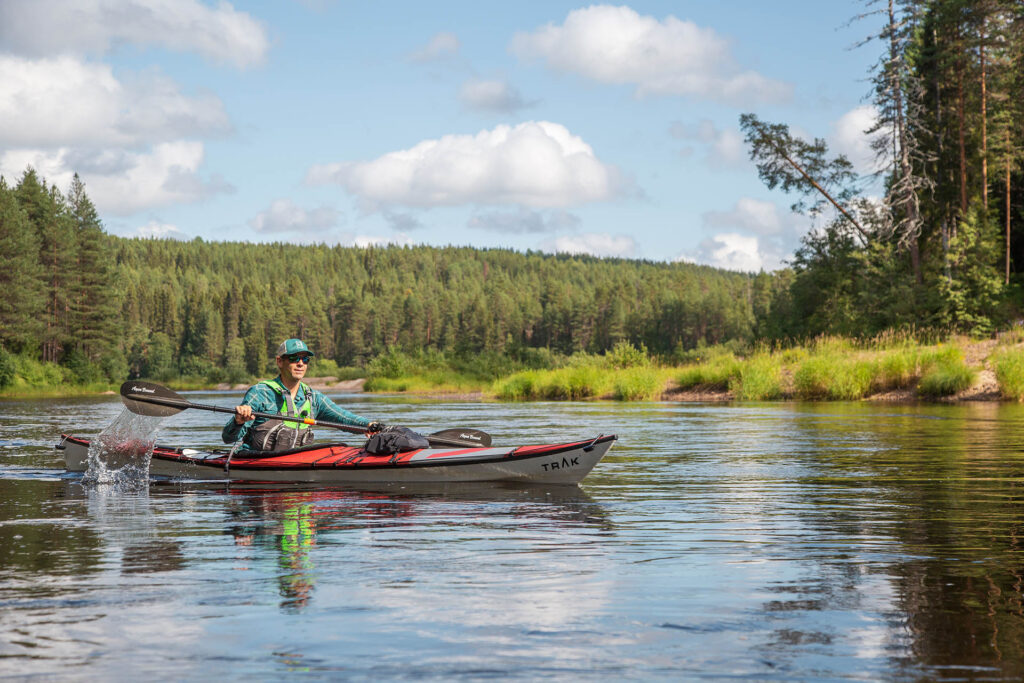
Six years ago, I reviewed the TRAK Kayak to answer one big question: is it really the ultimate touring kayak? My answer then was yes and no. The TRAK really is an amazing, one-of-a-kind boat, and for a lot of paddlers it absolutely could be considered the ultimate touring kayak. But it’s also definitely not for everyone.
In this article, I’ll break down what makes the TRAK so unique, why so many paddlers love it, and most importantly, who should buy a TRAK kayak—and who should spend their money on a different kayak. The key point is simple: the TRAK is best for paddlers who want touring-kayak performance in a portable package, and who are willing to trade a bit of convenience and stability for versatility and long-term value.
Watch the TRAK in action on Georgian Bay.
What makes the TRAK Kayak unique?
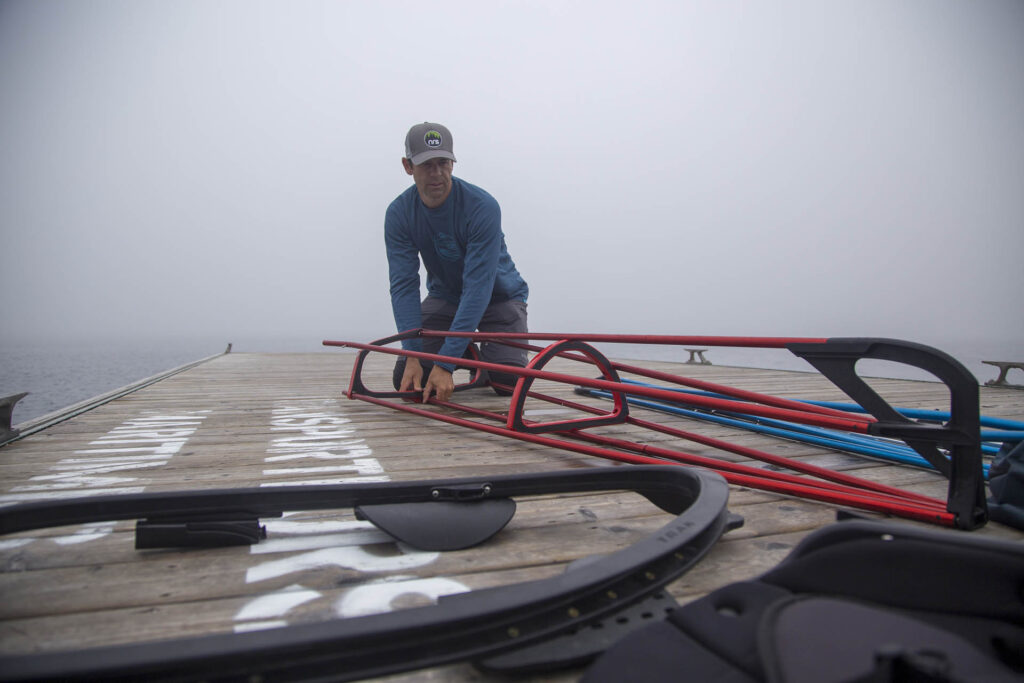
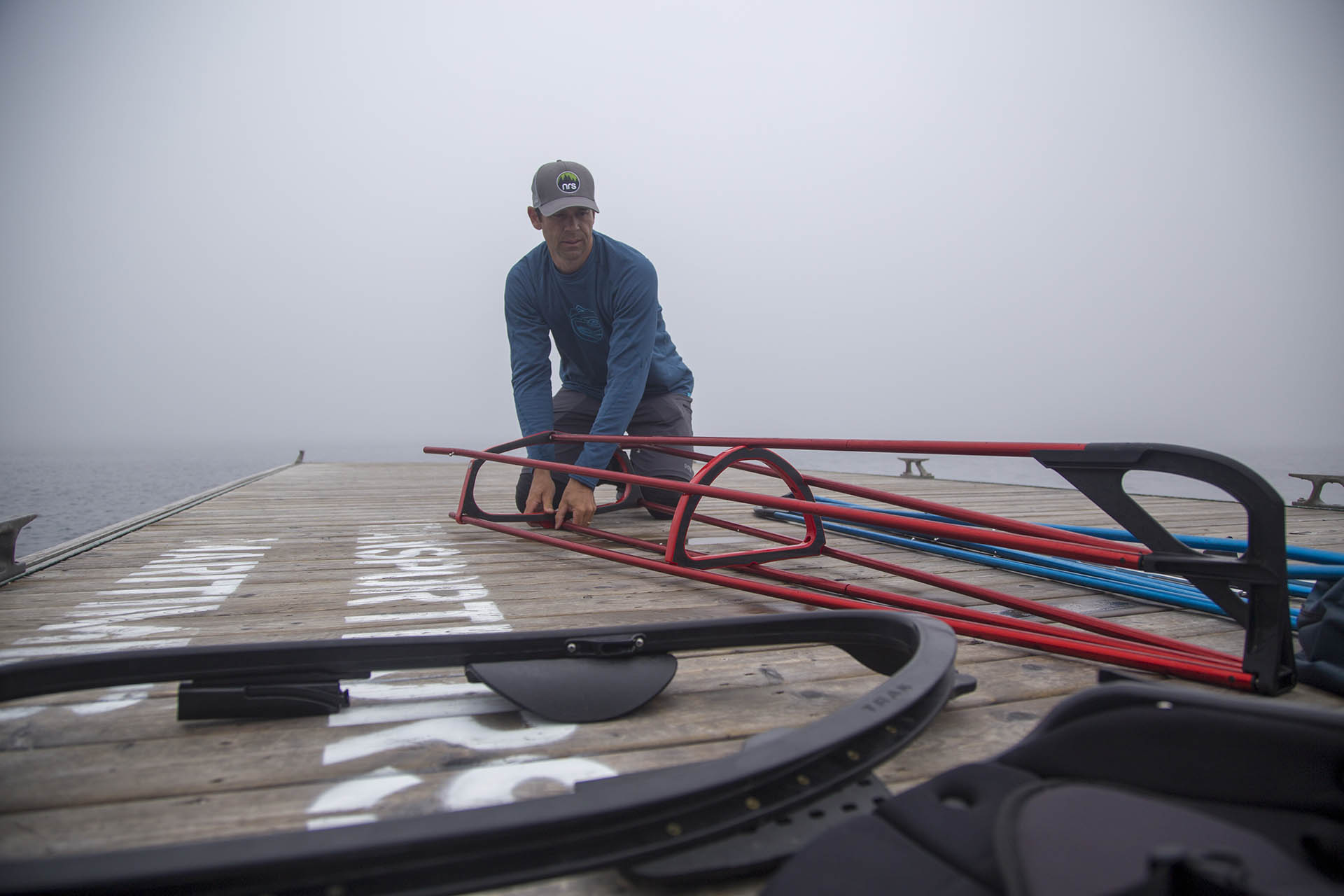
What makes the TRAK unique is that it’s a portable skin-on-frame touring kayak with adjustable rocker.
That’s the feature that separates it from every other kayak I’ve paddled. The TRAK is built from a bow frame and stern frame. The frames are made with aircraft grade aluminum poles and carbon ribs. Once built, these frames slide into the skin, which is a durable, military grade, three-ply polyurethane. The whole system is then tensioned with three hydraulic jacks. Two jacks sit along the sides, and one sits along the keel line. Once the skin is tight, you can keep pumping the center jack to lift the bow and stern, which changes the rocker of the kayak—and that changes how the kayak performs on the water.
Less rocker gives you better glide and speed in calm water. More rocker makes the kayak looser, more maneuverable, and easier to control in rough water, surf, and dynamic conditions.
That's an enormous deal, because with every other kayak you get the hull shape that it is and live with it. With the TRAK, you can tune the boat for the day’s conditions.
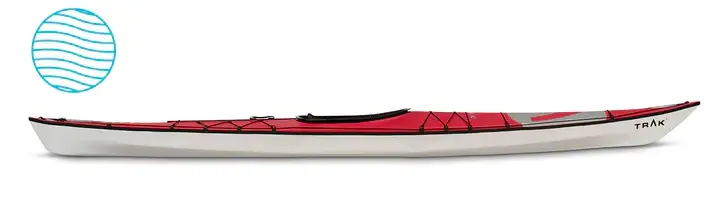
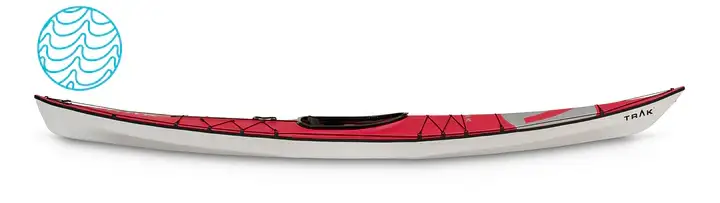
Learn more and shop for the TRAK kayak at www.trakkayaks.com
Who should buy a TRAK Kayak?
The TRAK is a smart buy for paddlers who value versatility, portability, and performance more than simplicity.
1. The paddler who wants one kayak that can do it all
If you want one kayak for a wide range of conditions, the TRAK makes a strong case.
With most kayaks, you choose a boat based on what you do most often. That works fine—until your paddling evolves. Then you start wanting a second kayak, and maybe a third. The TRAK is appealing because you can shape its rocker to suit different kinds of paddling, from efficient flatwater touring to rougher, more playful water.
That doesn’t mean it replaces every specialized kayak. It doesn’t. But it covers a wider range than any other 16-foot touring kayak thanks largely to its adjustable rocker.
2. The paddler looking for a lifetime kayak
A lifetime kayak is one that lasts and one you won’t outgrow, and the TRAK checks both boxes for the right paddler.
A lot of paddlers outgrow kayaks because they improve, get more ambitious, or change the kind of water they paddle. The TRAK was designed as a boat you can grow into rather than grow out of. That’s a big part of its appeal. The narrow touring width, performance outfitting, and adjustable hull shape give you room to progress instead of hitting a wall and needing to upgrade your boat.
Portable kayaks also tend to be chosen for convenience first. The TRAK is different. It was designed to be portable without giving up true touring performance.
3. The paddler who needs a high-performing portable kayak
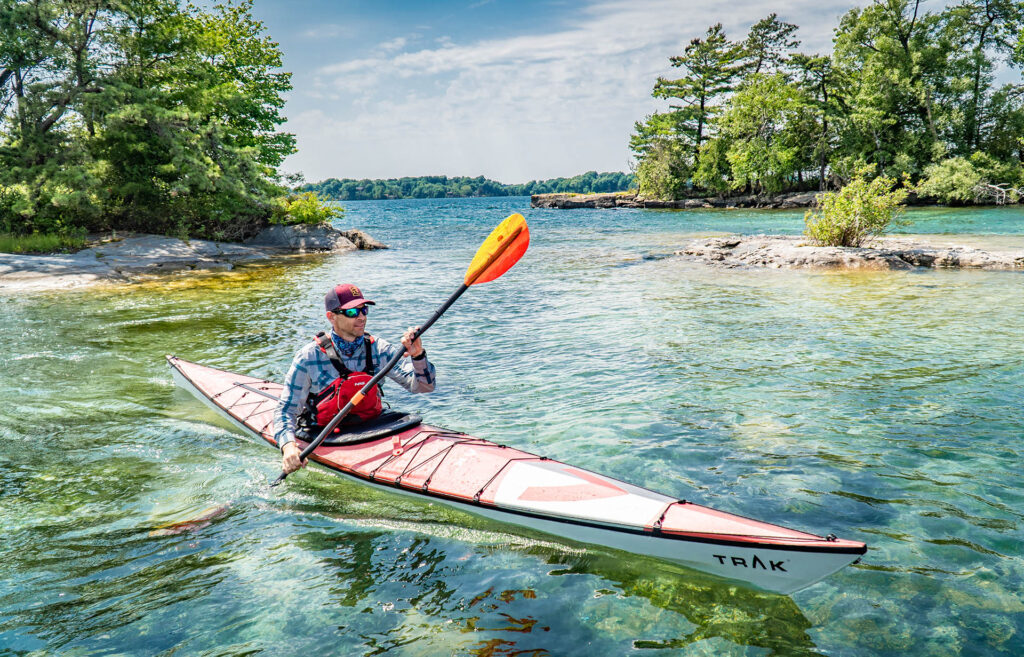
If you need portability but still want real sea-kayak performance, the TRAK is the best option out there.
For a lot of people, portability is not a luxury. It’s the difference between owning a kayak and not owning one. If you live in an apartment, drive a small car, or hate wrestling a 16-foot boat onto a roof rack, portable kayaks open doors.
What makes the TRAK stand out is that it doesn’t just pack small and have a great roller bag for transporting it (which it does). The special thing about the TRAK is that it performs as well as a hard-shell touring kayak, and it comes with outfitting that supports more advanced paddling, including a spray skirt, backband, thigh hooks, float bags, and a sea sock for safety and gear storage.
4. The traveling paddler
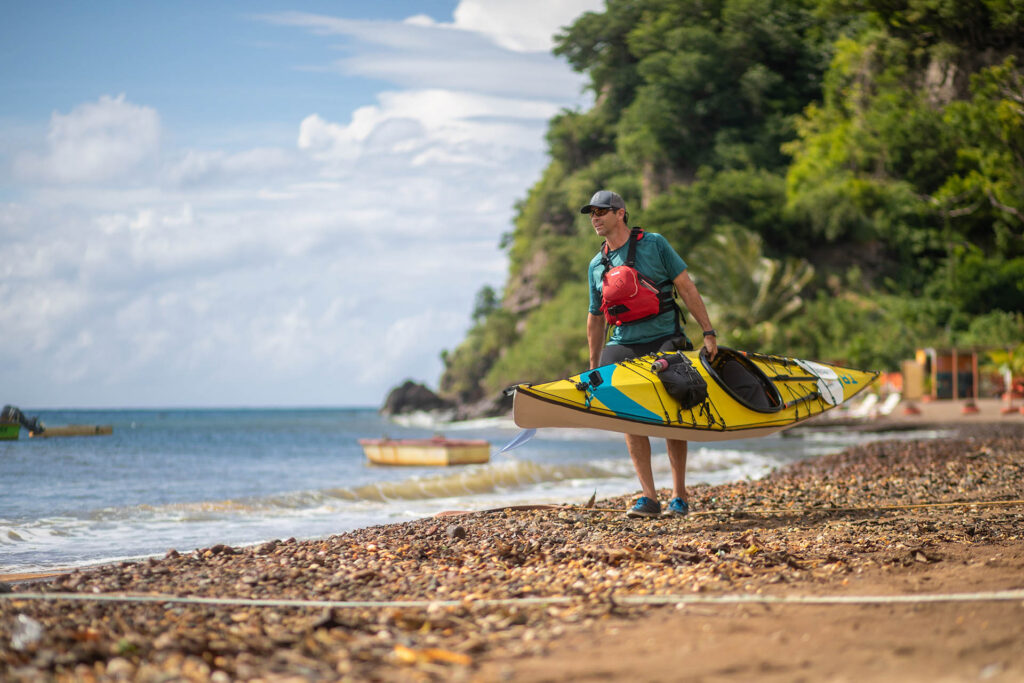
If you travel often and want to bring a high performing boat, the TRAK is a fantastic choice.
Portable kayaks are travel-friendly by nature, but the TRAK is especially well suited to flying and road-tripping because it packs into a high quality roller bag.
That’s a huge advantage if your dream trips involve places where renting the right kayak is hard, inconsistent, or impossible.
5. The adventurous beginner
The TRAK is not only a kayak for experienced paddlers.
At 22.5 inches wide, the TRAK is not a beginner kayak in the usual sense. It doesn’t prioritize maximum stability. It prioritizes paddling performance and long-term growth. That said, not every beginner needs a super-wide, ultra-stable boat. If you’re motivated, reasonably athletic, willing to potentially get your head wet, and want a kayak you won’t outgrow quickly, the TRAK can make sense as a first-time kayak.
I’d still be cautious if you’re a larger beginner paddler. In particular, I wouldn't suggest the TRAK as a beginner kayak for paddlers over 230 lbs (105 kg), as heavier paddlers will lose some stability.
6. The paddler willing to pay more for long-term value
The TRAK isn't cheap, but you get what you pay for!
At $4,250 USD, the TRAK is not an inexpensive kayak. But its important to know that this price is right in line with other high quality composite touring kayaks, which typically cost between $4,000 to $7,000 USD.
So the real question isn't whether it’s expensive. The question is whether the TRAK gives you enough capability, portability, and lifespan to justify the investment. In my opinion, it offers great value to those its well suited for.

Who should not buy a TRAK Kayak?
The TRAK is not the right choice for paddlers who want maximum stability, zero setup time, or a roomier one-size-fits-all kayak.
Here are the clearest cases where I’d look elsewhere:
Paddlers who prioritize stability over performance
If your number one priority is feeling rock-solid the moment you sit down, this is probably not your kayak. Recreational kayaks are designed to maximize stability and comfort, although it comes at the cost of performance. Touring kayaks, by design, give up some stability for speed and control.
Paddlers who don’t want to use a skirt
The TRAK’s value really shines when you use it like a real touring kayak. That involves using a skirt to prevent the kayak from swamping. If the idea of wearing a skirt doesn't appeal to you, keep shopping!
Paddlers with very short windows of time
Setup and breakdown takes time for any portable kayak, and the TRAK takes a little longer than some. You can expect it to take 10 to 15 minutes to setup, and about half that time to breakdown. While I think this is very reasonable, and will eat up a lot of your active paddling time if you're someone who only gets out for short paddles, like an hour at lunch or after work.
Larger paddlers who may be outside the sweet spot
The TRAK kayak comes in one size, and there's only so much range that it can have. The sweet spot is paddlers who weigh up to 250 pounds. Paddlers heavier than this will likely feel a loss of stability, and paddlers with wide hips will likely find the kayak's outfitting to be too narrow.
Final thoughts
So who should buy a TRAK Kayak? The TRAK isn’t for everyone—but for the right paddler, it may be one of the smartest kayak purchases you’ll ever make.
If you want one kayak that can travel, handle real touring conditions, grow with your skills, and adapt to different water, the TRAK is a seriously compelling boat. But if you value instant setup, maximum stability, or a lower price tag more than performance and versatility, there are better choices.
Watch the related PaddleTV review here: The Ultimate Touring Kayak – TRAK Kayak Review
About Ken Whiting
Author, Ken Whiting, is the Host of the Facing Waves TV series, @PaddleTV YouTube channel, @KenWhitingAdventures YouTube channel, @GoPaddle Facebook page and @Paddle365 Instagram page. www.kenwhiting.ca