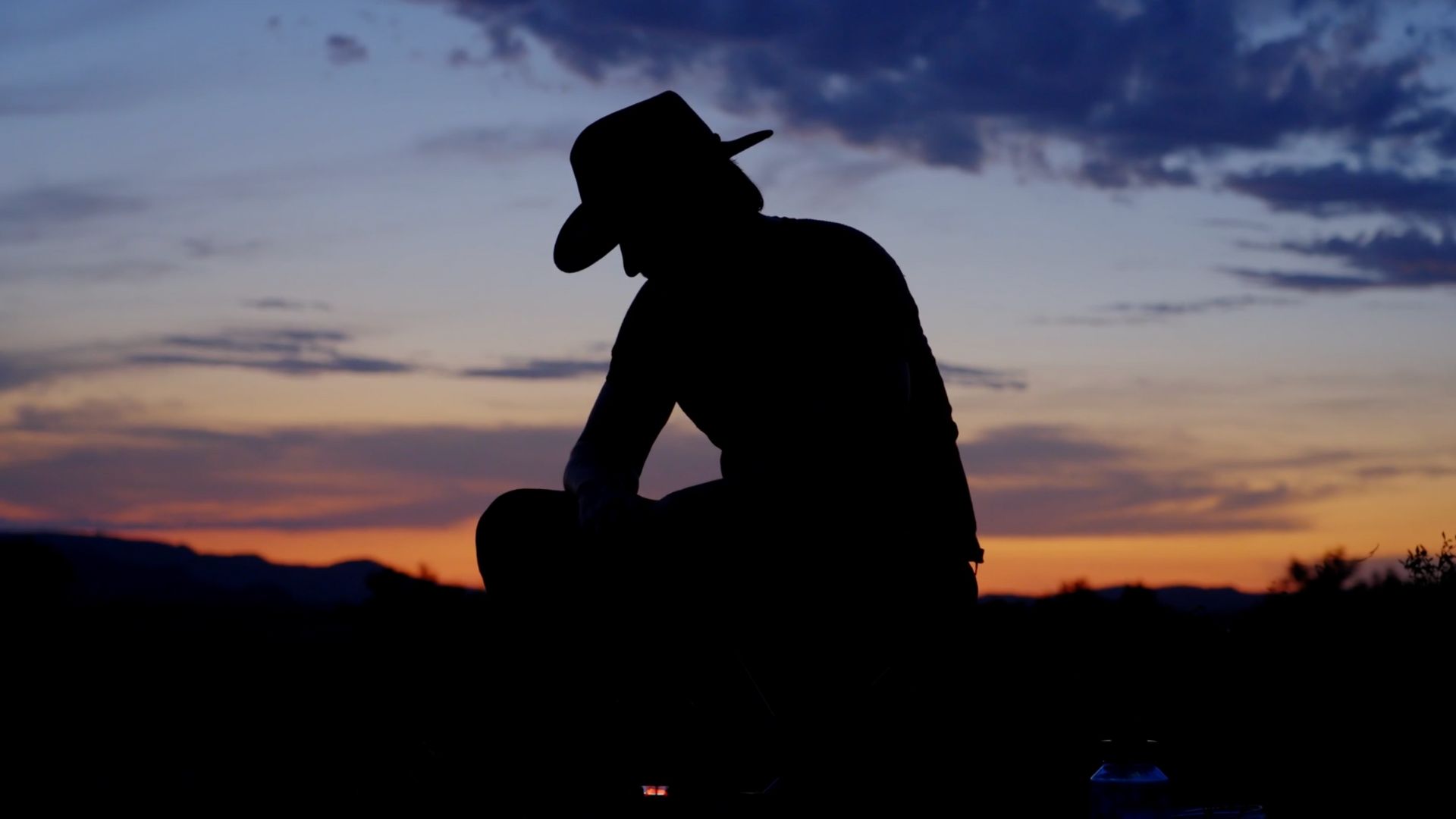
The Maah Daah Hey Trail is a 144-mile single track through the rugged badlands of western North Dakota. It’s the longest continuous non-motorized single track trail in the United States. This stunning route calls to hikers, bikers, and adventurers chasing the spirit of the Old West. From steep buttes to quiet prairies, the Maah Daah Hey Trail captures the raw beauty of America’s Great Plains.
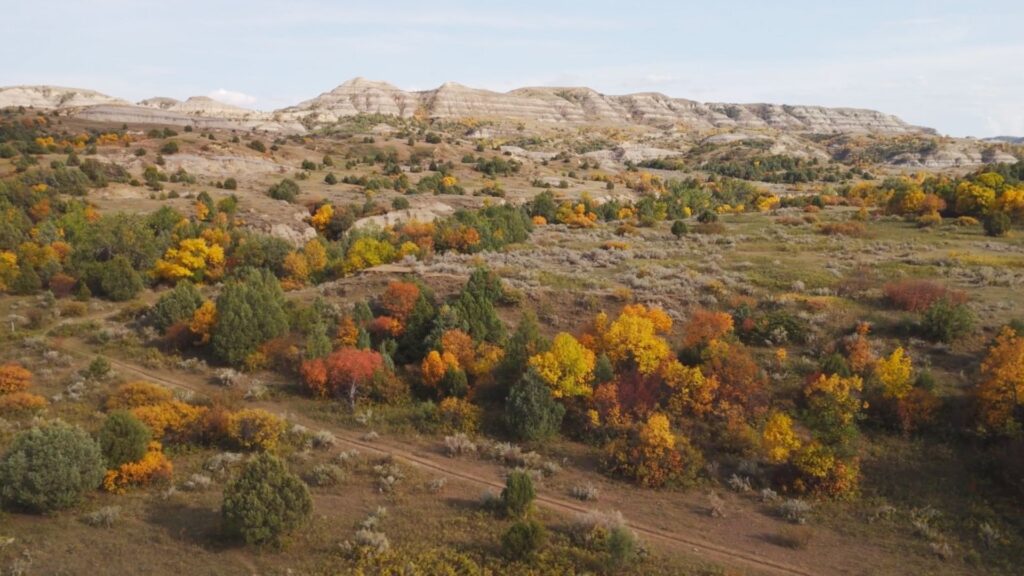
Where the Maah Daah Hey Trail Connects Theodore Roosevelt National Park
The Maah Daah Hey Trail runs from Medora to Watford City, North Dakota.
It links the north and south units of Theodore Roosevelt National Park. This connection lets adventurers explore some of the park’s most scenic and untouched landscapes.
Start at either end and you’ll discover rolling hills, painted cliffs, and wide-open skies.
Wildlife sightings are common—bison, prairie dogs, and eagles often appear along the trail.
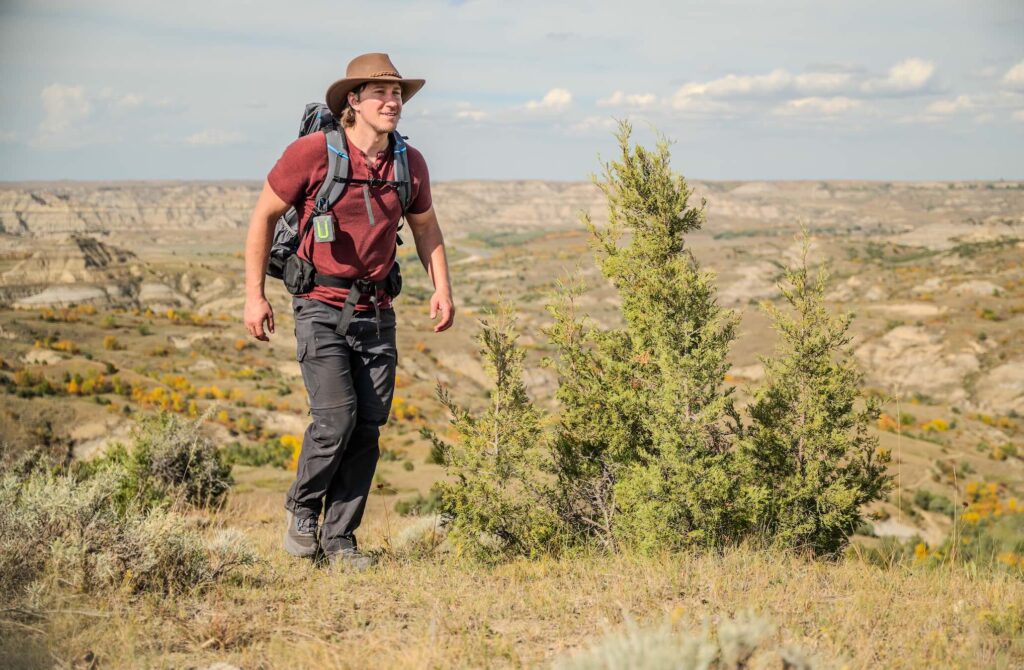
The terrain shifts constantly. Expect steep climbs, twisting descents, and long, flat stretches perfect for biking or backpacking. Many trailheads and access points make it easy to plan your route. Choose a full thru-hike or a shorter day trip, each offers unforgettable views.
When to Visit the Maah Daah Hey Trail
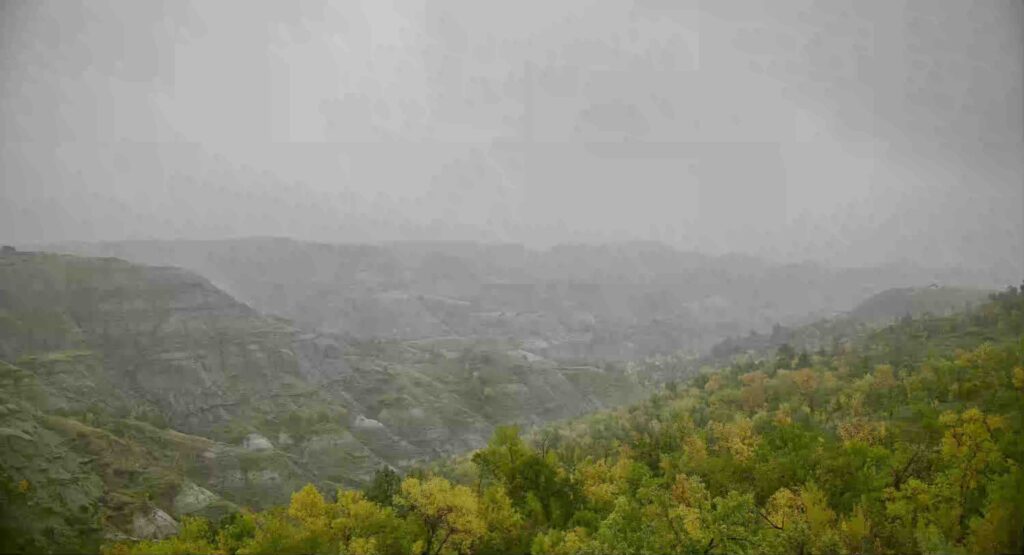
North Dakota’s four seasons create very different experiences on the Maah Daah Hey Trail. Late spring and early summer are best, with mild weather and fewer bugs.
Summer can be hot, but nights usually cool down fast, so pack layers. Winter brings snow—sometimes over 50 inches—making travel difficult but breathtaking. The trail becomes quiet and still, covered in white beauty. Spring and fall can be unpredictable, so prepare for sudden changes in temperature or weather.
Camping and Gear Essentials on the Maah Daah Hey Trail
Camping is one of the best ways to experience the Maah Daah Hey Trail. Outside of Theodore Roosevelt National Park, dispersed camping is allowed for a true backcountry feel. Inside the park, you’ll need a permit to camp overnight. There are also developed campgrounds for those who prefer amenities.
The landscape offers little shade, so be ready for full exposure. Pack sunscreen, a wide-brimmed hat, and plenty of water. A water filter is essential for longer trips. Trekking poles help on rocky terrain, and a lightweight puffy jacket keeps you warm at night.
Be aware of wildlife and insects. Rattlesnakes, ticks, and mosquitoes live here, so bring bug spray and wear long socks. Before your trip, make sure you’re ready for North Dakota’s changing weather. Check out our guide on Hiking Gear That Can Save Your Life for smart packing tips.
Logistics & Access
The Maah Daah Hey offers multiple access points and trailheads, making it flexible for shorter outings or long haul trips. For example, official maps list trailheads at the CCC Campground (north end) and Burning Coal Vein Campground (south end). Shuttle services are also available from nearby towns such as Medora, which is useful for one-way thru-hikers or cyclists. Because the trail is point-to-point, plan your transport accordingly. Also check the recent trail condition alerts on the official association site.
Water & Camp-Spacing Realities
One of the most critical logistical issues on the Maah Daah Hey is water. While nine or more developed campgrounds along the route have hand-pumped potable water (seasonal), outside of those you must treat wild sources or cache ahead. The trail’s official map lists eight designated water-cache box sites for thru-hikers. Because segments between reliable water and camps can stretch 18–25 miles, you’ll need to carry extra water, especially in hot/dry conditions. Also, note that some traditional water sources (springs, tanks) may be unreliable or non-potable.
Terrain and Difficulty Near Theodore Roosevelt National Park Badlands
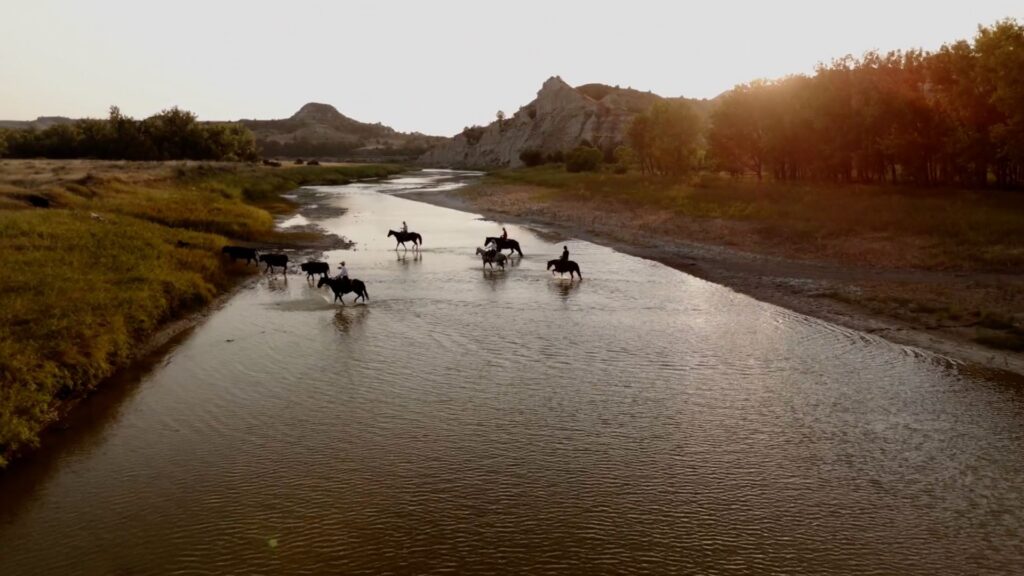
The terrain on the Maah Daah Hey is wildly variable: you’ll find steep climbs and descents across bentonite clay soil, rolling prairie tops, canyon rims, and badland terrain adjacent to the Theodore Roosevelt National Park units. While many sections are rideable for experienced mountain bikers (trail is IMBA “Epic” rated) North Dakota Tourism hikers still should expect strenuous segments, and dynamic weather: high heat in summer, significant snow in winter, frequent exposure to wind and sun. For best conditions aim for late spring/early summer or early fall—these seasons provide milder weather and fewer bugs.
Mountain Biking the Maah Daah Hey Trail
Start at trailheads like the Buffalo Gap Campground (south end) or the CCC Campground (north end). These give easy vehicle access into the system. The nearby access roads are mostly gravel and suitable for standard vehicles — but high clearance helps.
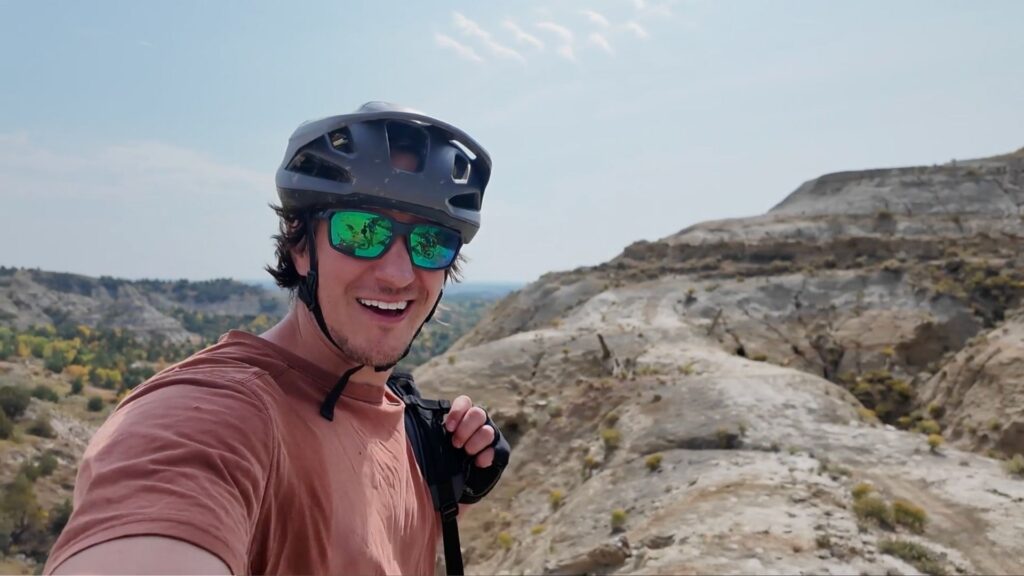
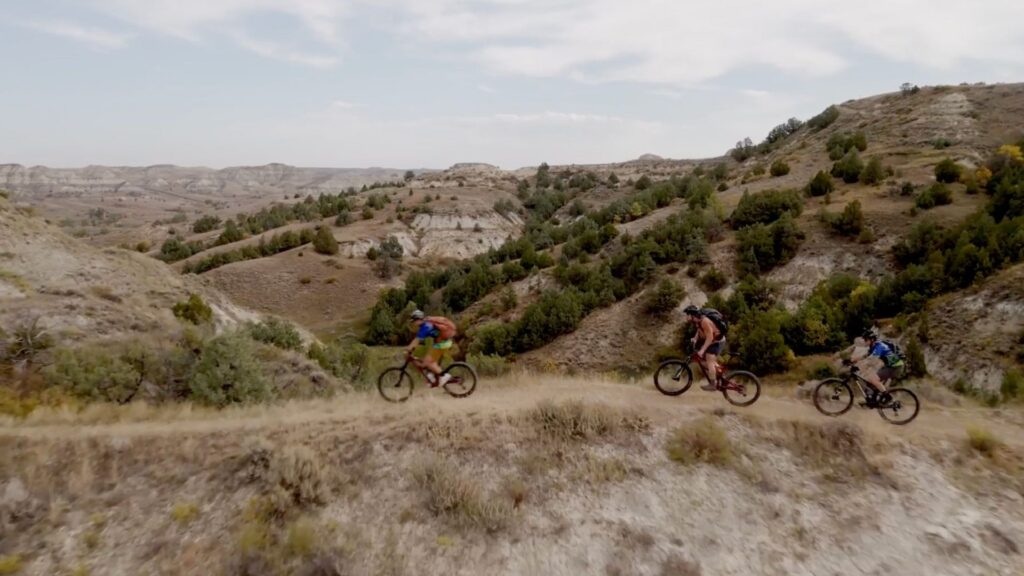
Some of the most popular mountain-bike friendly sections include:
- The stretch from Buffalo Gap to Wannagan, which rides open and rolling through prairie and badlands terrain.
- The section from Elkhorn to Magpie, which features the scenic river crossing of the Little Missouri River and views from Devil’s Pass.
- The northern segment near the China Wall and Bennett Campground. This section is rugged, remote and highly scenic for experienced riders.
Important note: Bicycles are not allowed inside the boundaries of Theodore Roosevelt National Park along the trail, so make sure to use the alternative detours around the park units when biking.
Let me know if you’d like a detailed map of the key bike sections with parking coordinates for your ride.
Why the Maah Daah Hey Trail Is Worth the Journey
The Maah Daah Hey Trail is more than a physical challenge—it’s a journey through time and wilderness. Its landscapes inspired the spirit of the Old West and the vision of Theodore Roosevelt National Park. Standing among the colorful buttes and endless skies, you feel history come alive.
From glowing sunsets to friendly faces in Medora, every mile tells a story.
Whether you hike, bike, or backpack, the Maah Daah Hey Trail offers adventure, solitude, and wonder.